We're fixing foodservice packaging in Egypt.
A company built to make packaging safer, smarter, and more sustainable.
Packaging became an obligatory cost.
Restaurants have no choice but to spend on packaging. Yet despite being an indispensable part of every single order, it generates no return — just cost that ends up in landfills.
A cost with no return
Restaurants pay for packaging month after month. It protects the food, gets handed to the customer, and disappears — taking any potential brand value with it.
Ends up as trash — every time
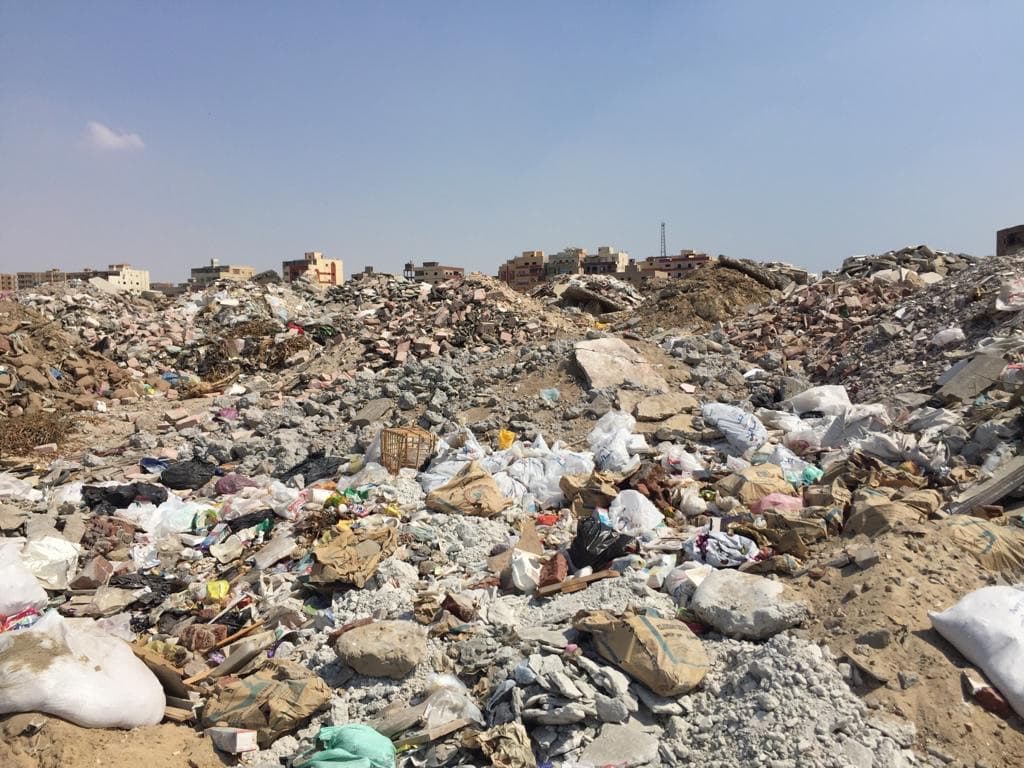
Traditional packaging cannot be recycled or composted. After a single use it goes straight to landfill, leaching toxins into soil and water and breaking into microplastics that harm nature for centuries.
A missed opportunity, every order
Every order leaves in packaging — directly in your customer's hands, in their home, carrying your name. It's your most frequent touchpoint. Most restaurants treat it as a box.
Wasted storage space
Poorly designed packaging stacks badly, occupies precious kitchen storage, and forces operators to over-order just to avoid running out mid-service.
Beyond the cost, there's a health risk.
Beyond cost and inefficiency, most food packaging in Egypt carries a far more serious problem — one that directly affects human health, happening silently with every meal.
Scientifically proven to cause cancer.
Studies confirm that chemicals in conventional food packaging — including BPA, phthalates, and printing ink solvents — are classified carcinogens. They migrate into food and accumulate in the body over time.

Not certified for food contact.
The majority of food packaging materials circulating in the Egyptian market are not certified for direct food contact. They are manufactured and printed in facilities with no certification from the Egyptian National Food Safety Authority (NFSA).
This is happening across fast food chains, delivery kitchens, and street vendors — potentially every meal, every day.
Chemical migration into food
Inks, adhesives, and base materials in uncertified packaging leach compounds into food — especially at heat. These include known carcinogens and endocrine disruptors.
NFSA certification gaps
Egypt's National Food Safety Authority sets clear standards for food-contact materials. Most suppliers in the market don't meet them — and most buyers don't know to ask.
We harm ourselves without noticing
No label. No warning. No taste difference. The damage is silent, slow, and cumulative — which is exactly what makes it so dangerous.
Our environment also pays the price.
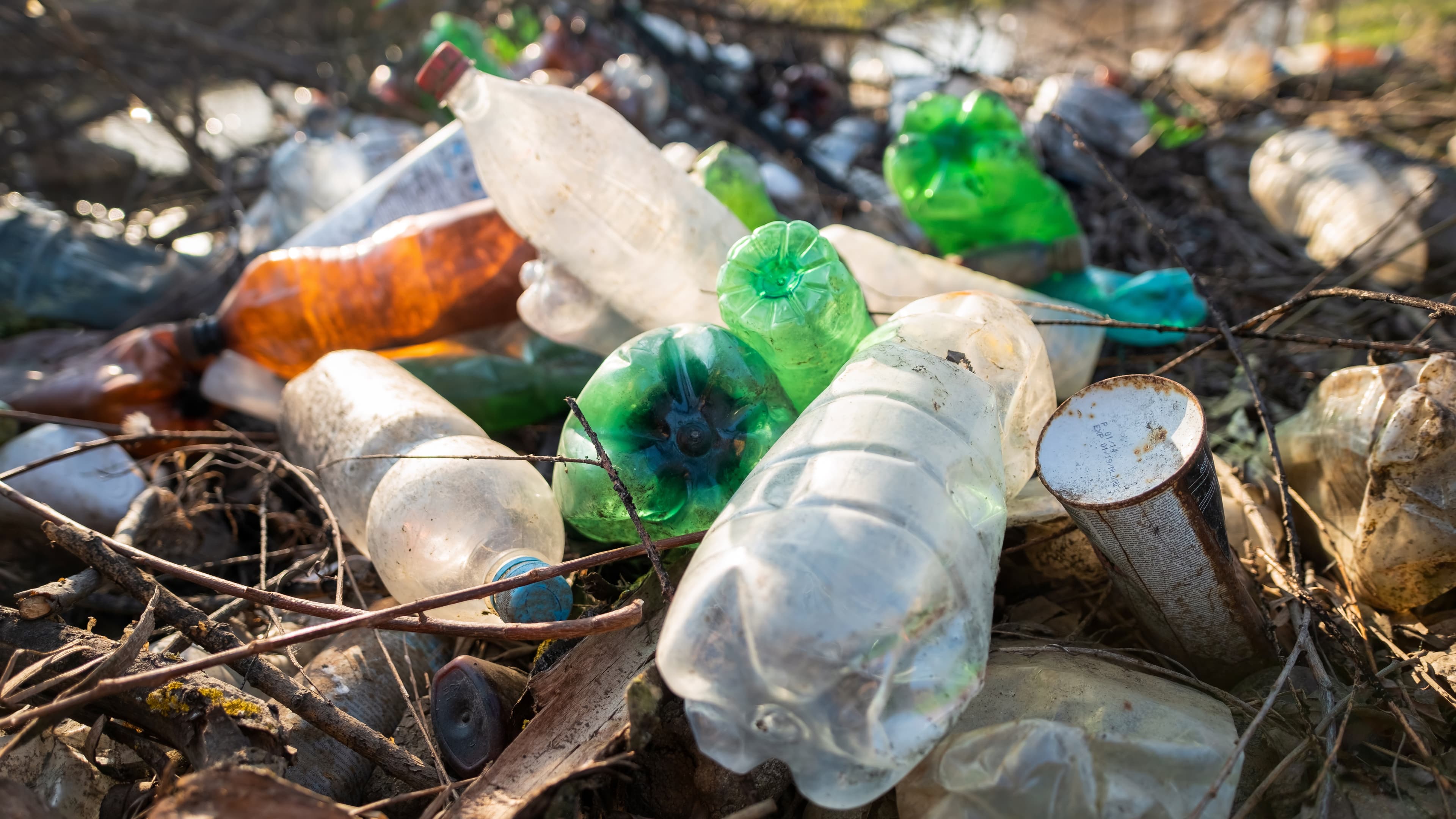
Most foodservice packaging in Egypt is made of materials that are neither recyclable nor biodegradable. Once used, they persist for centuries — breaking into microplastics, contaminating soil and water.
Even conventional paper products — long marketed as the eco-friendly alternative — carry a hidden polyethylene coating that makes them just as unrecyclable as their plastic counterparts.
Make it better, safer, cleaner — and still affordable for every restaurant in Egypt. That question became the foundation of 3elba.
And hence 3elba was born.
With strong ambitions and a strong drive to change the status quo in foodservice packaging in Egypt, we set out to build something that the market had never offered: packaging that works for everyone in the equation.

Built on these values
Restaurants first
More functional, more affordable packaging — designed around real kitchen operations.
People deserve better
Everyone who eats in packaging deserves to know it's not harming them. That's not a luxury. It's a baseline.
We build for the planet, not around it
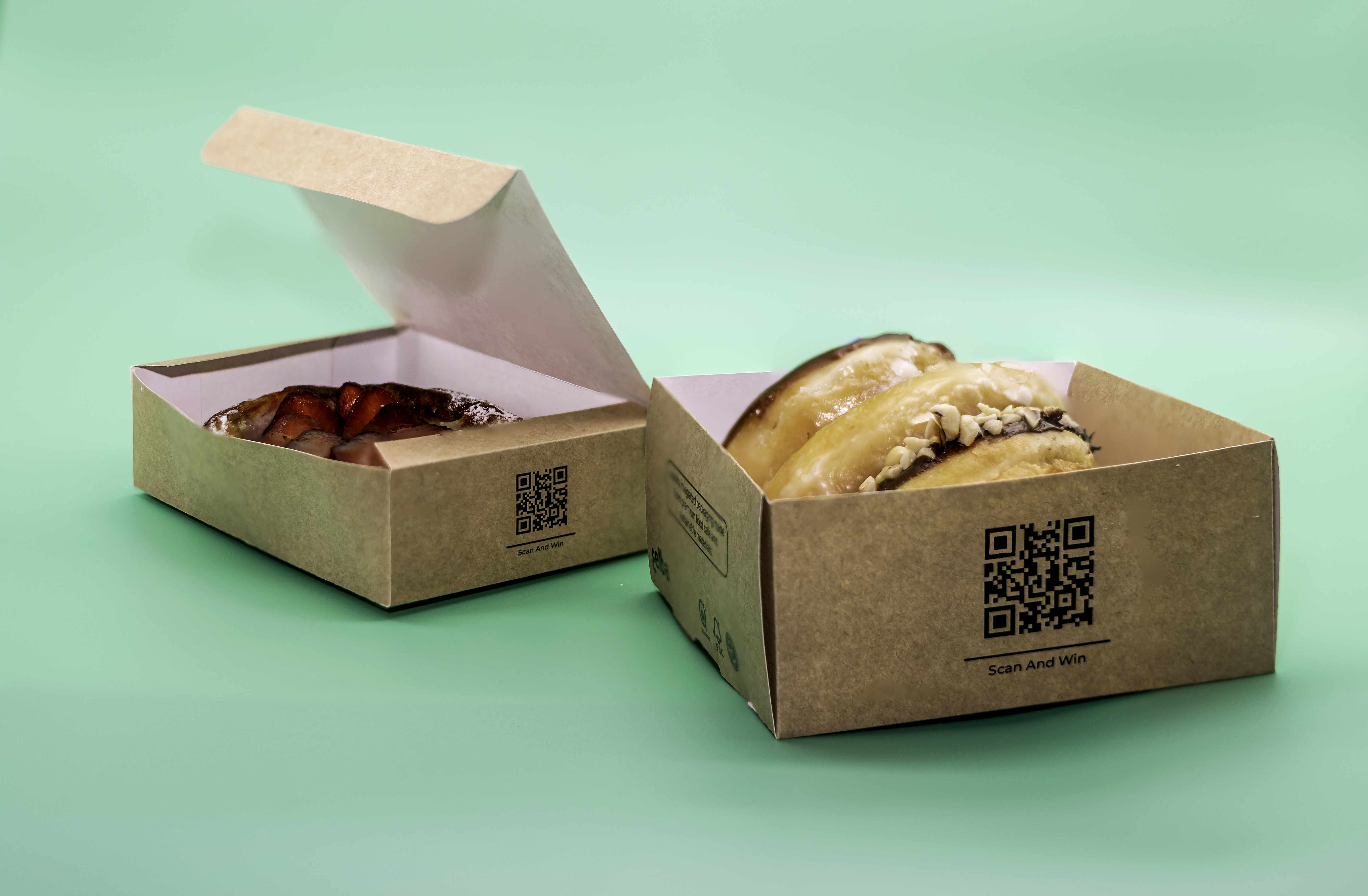
Every box we make is plastic-free and biodegradable. Not a marketing claim — a design requirement we hold ourselves to.
Doing right and growing don't conflict
3elba proves that packaging can be safe, sustainable, and commercially viable — at the same time. No trade-offs required.
Packaging redesigned from the ground up.
We studied packaging for 2 years — evaluating it from every dimension: food safety, operations, sustainability, and business value. This led us to develop our layered approach.
Through two years of material research and partnerships with top NFSA-certified printing facilities, we studied and optimized our material selection to be fully food safe and 100% biodegradable. No PE coating. No PFAS. No compromise.
Explore 3elba Lab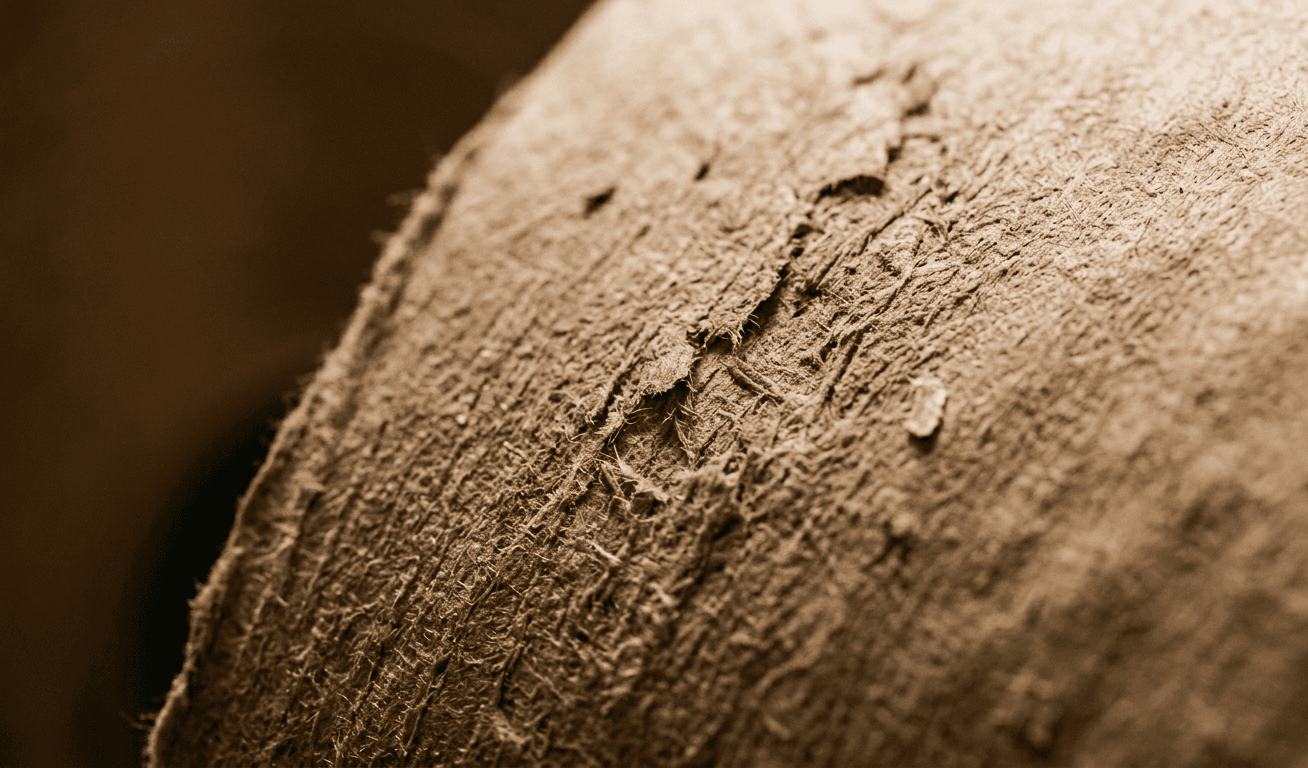
This is how we solved foodservice packaging in Egypt.
Three layers. One solution. Built for everyone.
Want to know us on a more personal level?
Let's connect and build the future of safer packaging in Egypt together.